
Vail, CO Weather Cams
FYI: Some of these cameras aren’t active when resorts aren’t open for skiing.
Vail Covered Bridge Cam
Gore Range
Eagle’s Nest
Vail Summit Snow Stake
Sun Up Bowl Overlook
Vail Village
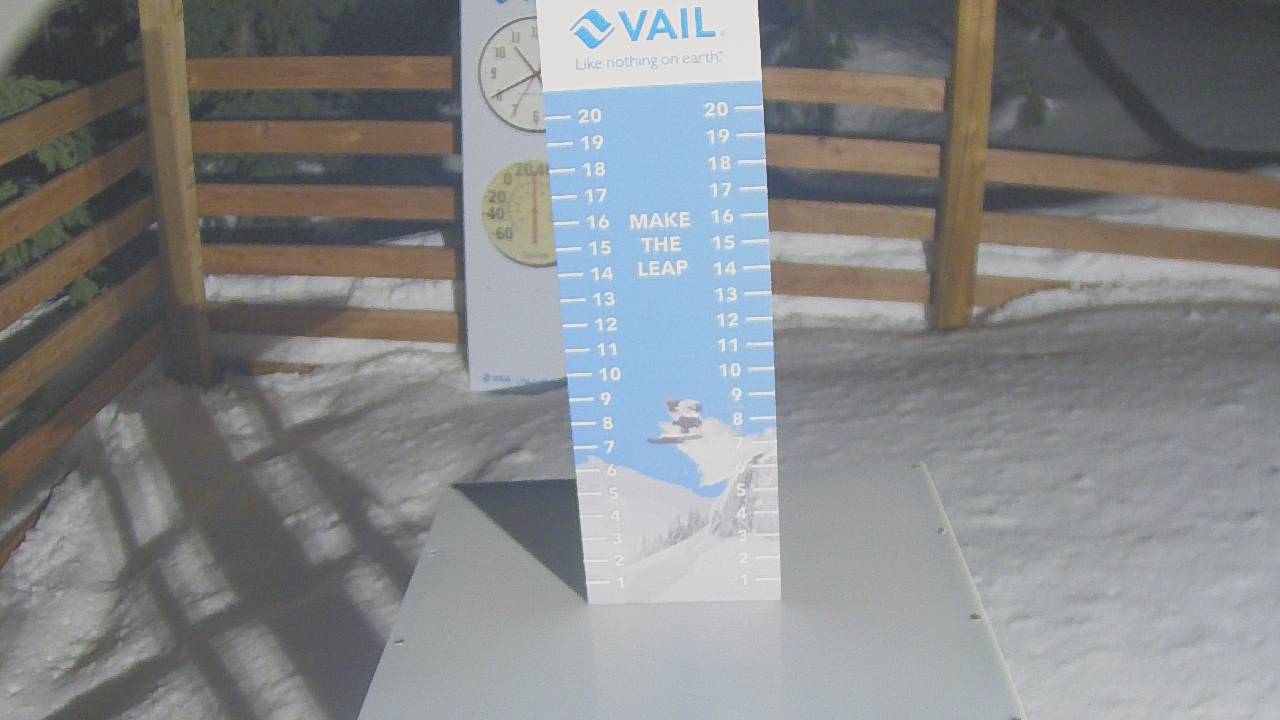
Vail Snow Stake
Greg Norman Course at Red Sky Ranch
Gore Creek Underwater Cam
Gore Creek Promenade Cam
Vail International Bridge Cam
Vail, Colorado: From High‑Alpine Wilderness to World‑Class Mountain Resort
Vail, Colorado Weather Cams. The story of Vail, Colorado is a remarkably modern chapter in the broader sweep of Rocky Mountain history—a tale that blends Indigenous presence, frontier exploration, military innovation, and visionary resort development. Although Vail itself is one of Colorado’s youngest towns, incorporated only in 1966, the landscape it occupies has shaped human experience for centuries. Its surrounding valleys, high passes, and forested slopes form a natural corridor through the central Rockies, and the forces that moved through this corridor—Ute hunters, trappers, soldiers, skiers, and entrepreneurs—ultimately set the stage for one of the most influential ski destinations in the world.
Indigenous Roots and Early Exploration
Long before Vail’s famous Back Bowls drew skiers from around the globe, the region was part of the seasonal range of the Núu-agha-tʉvʉ-pʉ̱ (Ute) people. They traveled the high country following game, gathering plants, and moving between winter and summer grounds. The Utes knew the passes intimately, including what would later be called Vail Pass, and their trails formed the earliest human routes through the area.
European-American presence arrived slowly in the early 1800s. Fur trappers and traders moved along the Colorado River drainage, but the high alpine terrain around present‑day Vail saw little permanent settlement. The region remained remote, rugged, and largely untouched even as mining booms erupted in nearby communities such as Leadville, Red Cliff, and Minturn. These towns, founded in the late 19th century, became the closest centers of activity to the future site of Vail, but the valley itself remained a quiet stretch of ranchland and forest.
Railroads, Ranchers, and the Quiet Valley
The Denver & Rio Grande Railroad reached Minturn in the 1880s, turning the town into a key junction for trains heading over Tennessee Pass. This brought more people into the Eagle River Valley, but the area that would become Vail stayed sparsely populated. Sheep and cattle ranchers used the meadows along Gore Creek, and a few homesteads dotted the valley floor. The land’s isolation, deep snowpack, and steep terrain made it unsuitable for large-scale agriculture or mining—ironically preserving the very qualities that would later make it ideal for skiing.
By the early 20th century, the valley was known mostly to locals, hunters, and the occasional adventurous traveler. The future of the region changed dramatically during World War II, when the U.S. Army established Camp Hale just south of Vail near Leadville. This high‑altitude training base became home to the 10th Mountain Division, an elite unit specializing in mountain warfare. Soldiers trained on skis, learned mountaineering techniques, and developed a deep appreciation for the Colorado high country.
The 10th Mountain Division and the Birth of a Vision
Among the soldiers stationed at Camp Hale was Pete Seibert, a young man from New England with a passion for skiing. After the war, many 10th Mountain veterans helped launch the American ski industry, founding or influencing resorts such as Aspen, Arapahoe Basin, and Steamboat. Seibert, along with local rancher Earl Eaton, explored the mountains around Gore Creek in the 1950s. Eaton, who knew the terrain intimately, led Seibert to the high ridges above the valley. When Seibert saw the vast, open Back Bowls for the first time, he later described it as a revelation—an unmatched landscape for skiing.
The pair began quietly acquiring land and raising funds. Their vision was ambitious: a European‑style ski resort with a pedestrian village, modern lifts, and terrain that could rival the Alps. Construction began in the early 1960s, and Vail Ski Resort officially opened on December 15, 1962, with two chairlifts, one gondola, and a handful of trails. The town itself did not yet exist; the resort was the seed from which the community would grow.
Incorporation and Rapid Growth
Vail’s early years were marked by rapid development. The town incorporated in 1966, and its founders carefully shaped its identity. They emphasized aesthetics, pedestrian access, and a cohesive architectural style inspired by alpine villages. This deliberate planning set Vail apart from many older Colorado towns that had grown haphazardly during mining booms.
The resort expanded steadily, adding lifts, terrain, and amenities. The Back Bowls—Sun Up, Sun Down, China, Siberia, and others—became legendary for their vast, open expanses of powder. Blue Sky Basin, opened in 2000, extended the resort even farther into the surrounding wilderness. Vail’s reputation grew internationally, and the town became a hub for winter sports, hosting major competitions and drawing visitors from around the world.
The Surrounding Region: A Network of Mountain Communities
Vail does not stand alone; it is part of a constellation of communities that shape the central Rockies. Minturn, with its railroad heritage and historic charm, offers a contrast to Vail’s resort‑driven identity. Avon and Edwards, farther down the valley, developed as residential and commercial centers supporting the resort workforce and year‑round population. To the east, Vail Pass connects the Eagle River Valley to Summit County, home to Copper Mountain, Breckenridge, and Keystone—creating one of the densest clusters of ski areas in North America.
The surrounding wilderness also plays a defining role. The Holy Cross Wilderness, the Gore Range, and the White River National Forest frame Vail with dramatic peaks and protected landscapes. These areas support hiking, fishing, wildlife habitat, and a sense of alpine solitude that balances the resort’s bustling energy.
A Modern Mountain Town with Deep Roots
Today, Vail stands as one of the most influential ski resorts in the world, yet its identity remains tied to the land and history that preceded it. The Ute trails, the ranching valley, the 10th Mountain Division’s legacy, and the vision of Seibert and Eaton all converge in the town’s story. Vail’s growth has brought challenges—housing pressures, environmental concerns, and the complexities of tourism—but it has also created a vibrant community that blends recreation, culture, and mountain heritage.
In less than a century, Vail transformed from quiet meadows into a global destination, yet the surrounding peaks and forests still echo with the deeper history of the central Rockies.
For more information, visit the Vail, Colorado official website.