
Arapahoe Basin, Colorado Weather Cams
Arapahoe Basin, Colorado Weather Cams
Arapahoe Basin (A Basin) Summit
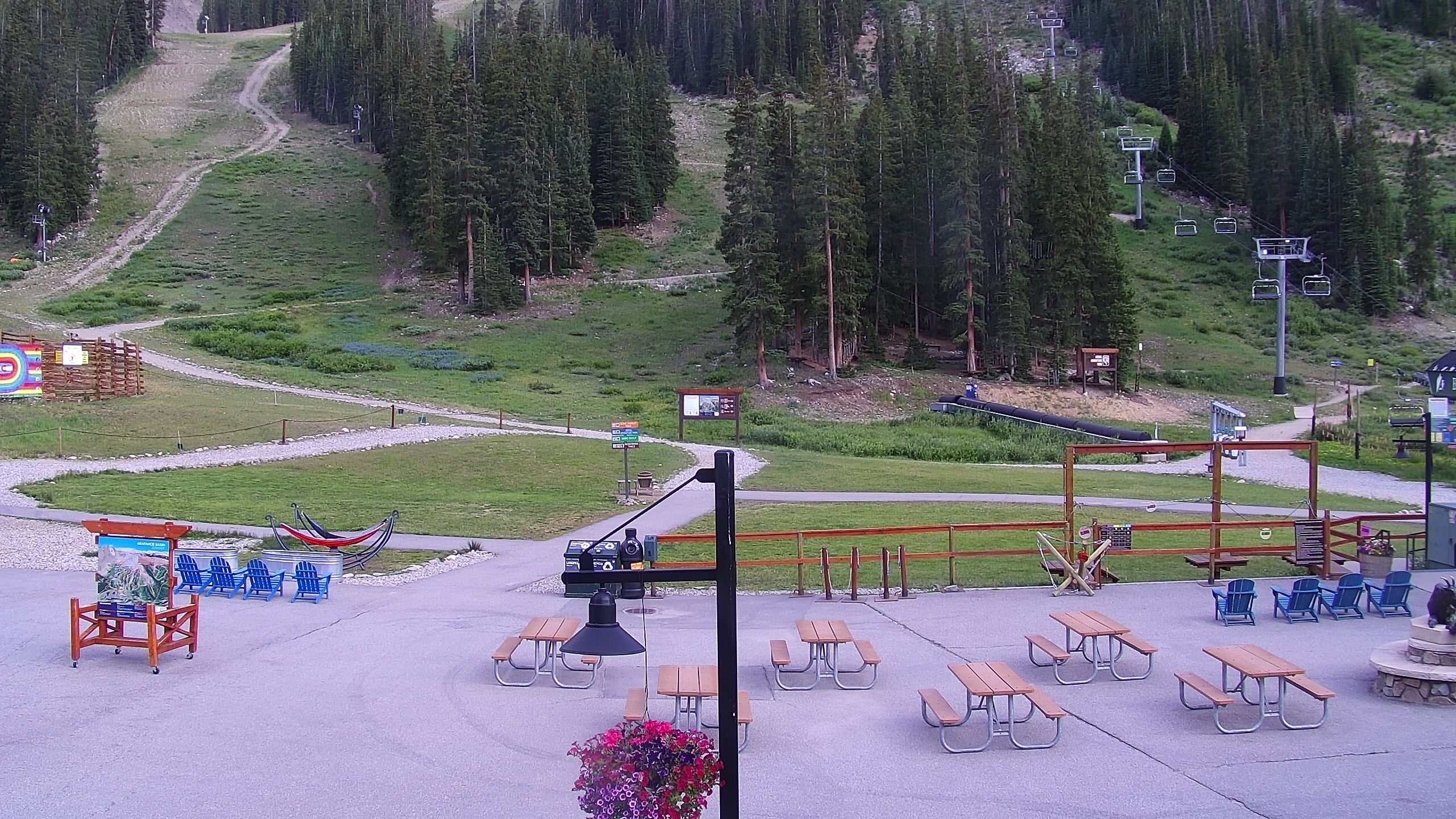
Arapahoe Basin (A Basin) Mountain Goat Plaza/Base Area
A-Basin Snow Stake

Montezuma Bowl
Montezuma Bowl is Arapahoe Basin's back bowl. Camera is looking south into Zuma and toward the 10 Mile Mountain Range.
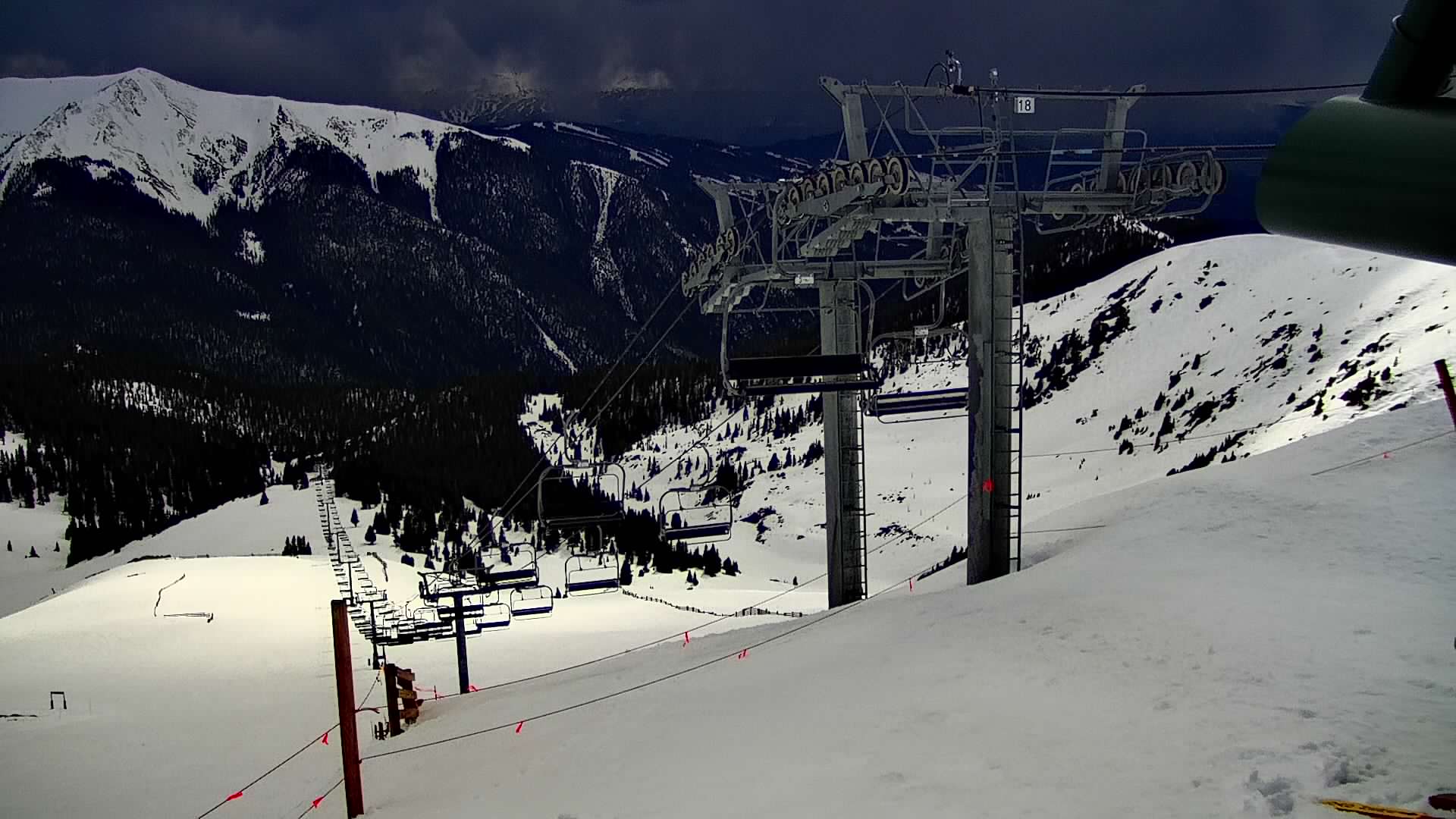
Pali + Molly Lifts
Arapahoe Basin: “The Legend” of the Continental Divide
Arapahoe Basin, Colorado Weather Cams. Arapahoe Basin—affectionately known as “A‑Basin”—stands high on the Continental Divide as one of Colorado’s most storied ski areas. Its history is inseparable from the rugged terrain of Loveland Pass, the legacy of the 10th Mountain Division, and the evolution of skiing in the American West. What follows is an 878‑word historical narrative grounded in verified historical sources.
High in Summit County, where the wind scours the ridgelines and snow lingers well into summer, Arapahoe Basin occupies a dramatic alpine bowl beneath 13,050‑foot peaks. Long before skiers carved turns on its steep faces, the region was part of the seasonal homelands of Indigenous peoples who traversed the high passes for hunting and trade. The Continental Divide formed both a physical and cultural boundary, and the high basins around present‑day A‑Basin offered summer access to game and alpine resources.
Euro‑American activity in the area intensified in the mid‑19th century with the Colorado Gold Rush. Mining towns such as Montezuma, Dillon, and Georgetown grew rapidly, and Loveland Pass became a key transportation corridor linking Front Range settlements with the mining districts of Summit County. Winter travel was notoriously difficult, but skis—then known as “Norwegian snowshoes”—were used by miners, mail carriers, and supply runners to navigate the deep snow.
By the early 20th century, skiing in Colorado was shifting from a utilitarian winter necessity to a recreational pursuit. The formation of ski clubs, winter carnivals, and early rope tows laid the groundwork for a more organized ski culture. The decisive turning point came during World War II with the creation of the 10th Mountain Division, an elite U.S. Army ski troop trained at nearby Camp Hale. Veterans of the division would go on to shape the future of skiing across Colorado—including the founding of Arapahoe Basin.
In 1945, the Winter Sports Committee of Denver sent two former 10th Mountain Division soldiers—Laurence “Larry” Jump and Frederick “Sandy” Schauffler—to scout potential ski areas in the Front Range. They were tasked with identifying terrain that could support a major ski operation. When they reached the high basin below Loveland Pass, they immediately recognized its potential: steep, snow‑loaded faces reminiscent of the European Alps, reliable winter storms, and a high‑elevation setting that promised a long season.
Jump invested his life savings—$25,000—into the project, and with the help of Schauffler, his future wife Marnie, and several influential ski pioneers including Thor Groswold, Dick Durrance, and Max and Edna Dercum, the vision for Arapahoe Basin took shape.
Construction began in 1946, and the ski area opened that same year with a single rope tow and a shoestring budget. Lift tickets cost just $1.25, and the founders relied heavily on volunteer labor, salvaged equipment, and sheer determination. A‑Basin quickly earned a reputation for its challenging terrain and adventurous spirit. Locals embraced it as a place where skiing remained raw, authentic, and unpretentious.
The surrounding region played a crucial role in A‑Basin’s development. Loveland Pass, which tops out at 11,990 feet, provided access to the ski area long before the Eisenhower Tunnel was built. The pass became a winter lifeline, though it was often treacherous. The ruggedness of the approach only added to A‑Basin’s mystique. Skiers who made the journey felt they had earned their turns.
Throughout the 1950s and 1960s, A‑Basin expanded gradually. New lifts replaced the original rope tow, and the iconic A‑Frame lodge became a gathering place for skiers seeking warmth, camaraderie, and a beer after a day on the mountain. The ski area’s high elevation—base at 10,780 feet and summit at 13,050 feet—allowed it to stay open longer than most Colorado resorts, often into June and sometimes July.
The 1970s brought significant change to Summit County. Nearby Keystone opened in 1970, and the region began transforming into a major ski destination. While larger resorts expanded aggressively with lodging, snowmaking, and real‑estate development, A‑Basin remained deliberately modest. It had no base‑area lodging, limited amenities, and a fiercely loyal local following. Skiers came for the terrain, the snow, and the culture—not the luxury.
In the decades that followed, A‑Basin continued to evolve while preserving its identity. The addition of Pallavicini, one of Colorado’s most famous expert lifts, cemented the mountain’s reputation for steep, challenging skiing. The East Wall, a towering alpine face, became a proving ground for advanced skiers seeking big‑mountain lines.
A major milestone arrived in the 2000s with the opening of Montezuma Bowl, which expanded the skiable terrain significantly and added wide‑open bowl skiing on the mountain’s backside. Later improvements included the Black Mountain Lodge, upgraded lifts, and terrain‑park development. Yet even with modernization, A‑Basin retained its independent spirit.
The surrounding area also continued to shape the ski experience. The White River National Forest provided a vast backdrop of protected alpine terrain. Nearby communities—Keystone, Dillon, Silverthorne, and Breckenridge—offered lodging and services, allowing A‑Basin to remain focused on skiing rather than resort development.
In recent years, A‑Basin has emphasized sustainability, terrain stewardship, and a commitment to maintaining its unique culture. Its long season, challenging terrain, and laid‑back vibe continue to attract skiers who value authenticity over extravagance.
Today, Arapahoe Basin stands as a living testament to Colorado’s ski heritage. Born from the vision of 10th Mountain Division veterans, shaped by the rugged landscape of Loveland Pass, and sustained by generations of passionate skiers, “The Legend” remains one of the most iconic and beloved ski areas in the Rockies.
For more information, visit the Arapahoe Basin, Colorado official website.