
Summit County, Colorado Weather Cams
Breckenridge, CO Weather Cams
North Main St (south) cam
Base of 6 Chair Snow Stake
Breckenridge Mountain Cam
Peak 9 Live Stream
Peak 8 View from Peak 9
Peak 9 Base
Peak 9 Base View from Beaver Run Resort & Conference Center
Peak 7
Peak 8 Base
Main Street Live Stream
Copper Mountain, Colorado Weather Cams
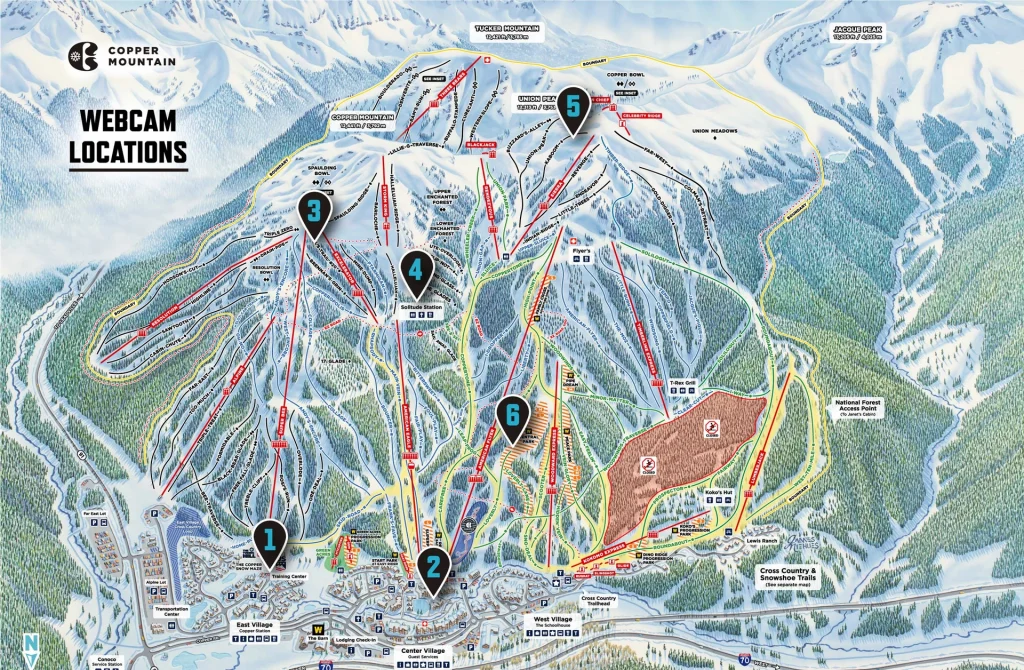
Center Village
Super Bee
Excelerator
Snow Stake
Union Peak
Woodward Terrain Park
Aerie
Copper Mountain (CCU) via FAA
Keystone, Colorado Weather Cams
Dercum Mountain
Keystone Lakeside Village
North Peak View
Bergman Cam
River Run
North Peak Snow Stake

North Peak Snow Stake Timelapse
Arapahoe Basin, Colorado Weather Cams
Arapahoe Basin, Colorado Weather Cams
Arapahoe Basin (A Basin) Summit
Arapahoe Basin (A Basin) Mountain Goat Plaza/Base Area
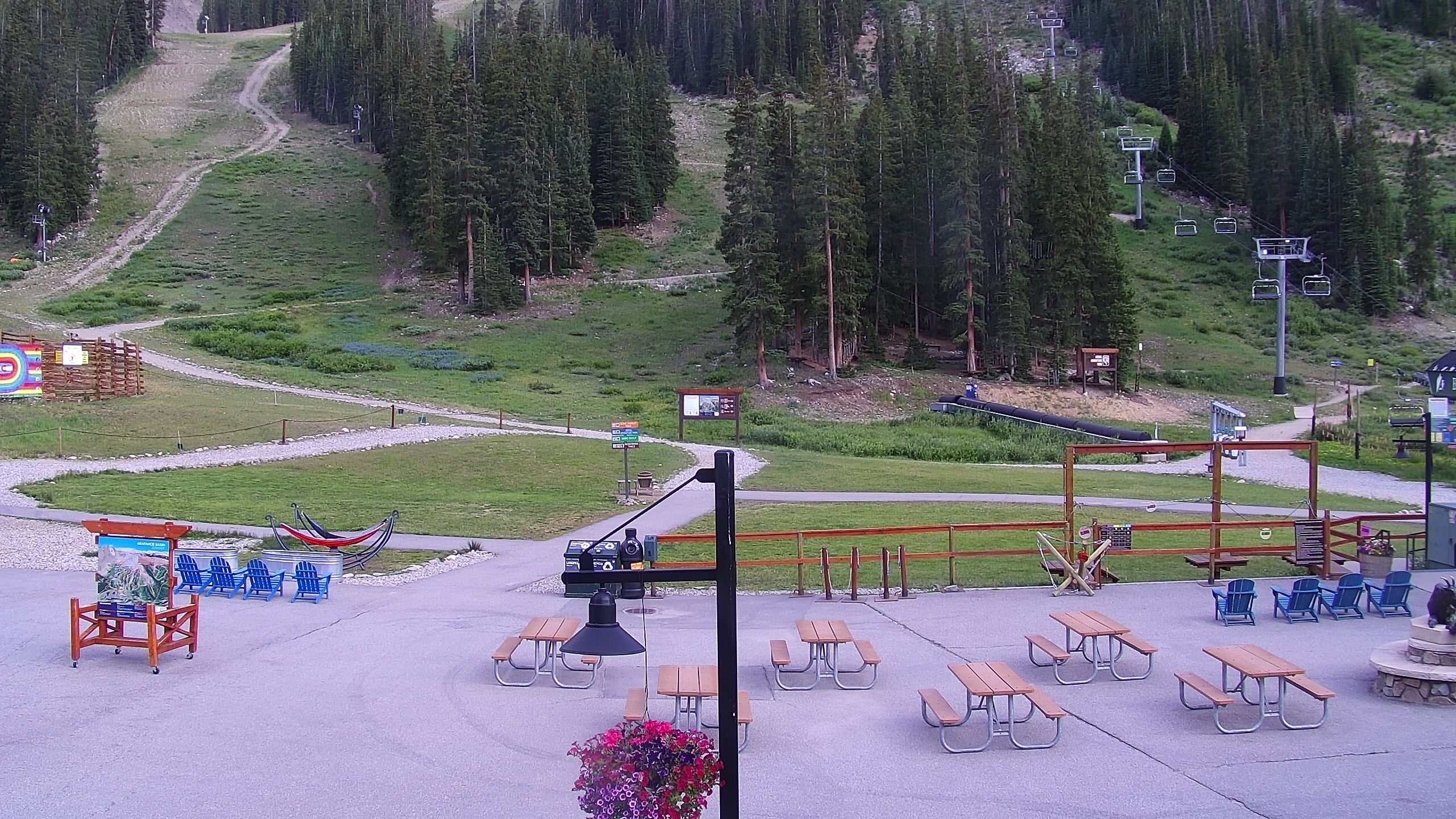
A-Basin Snow Stake

Montezuma Bowl
Montezuma Bowl is Arapahoe Basin's back bowl. Camera is looking south into Zuma and toward the 10 Mile Mountain Range.
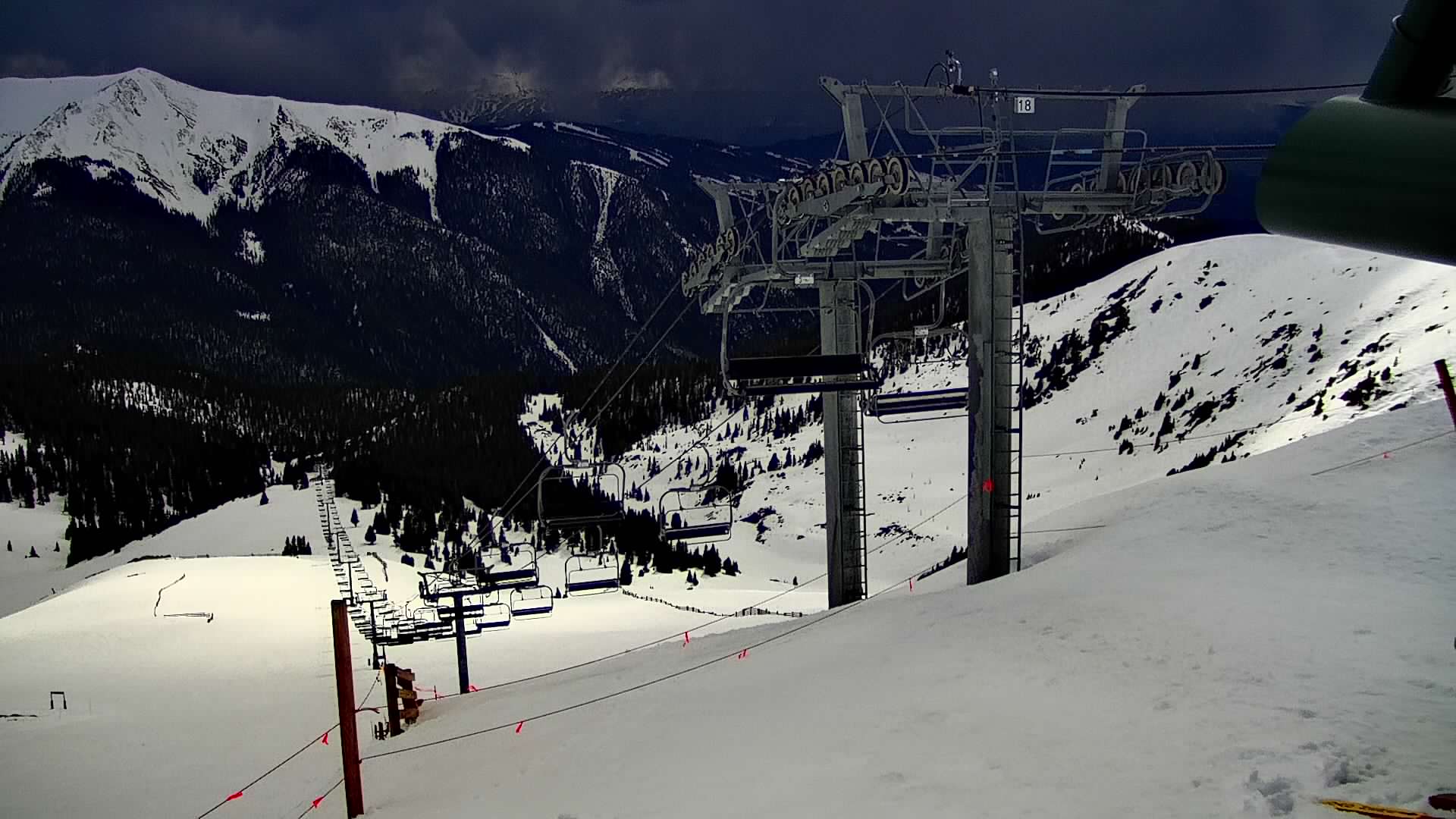
Pali + Molly Lifts
Summit County, Colorado: A High‑Country Chronicle of Mountains, Mining, and Modern Adventure
Summit County, Colorado Weathercams.
Summit County’s story unfolds at the crest of the continent, where the headwaters of major rivers spill from alpine basins and where human history has always been shaped by altitude, climate, and the rugged drama of the Rockies. Long before ski lifts traced the slopes of Breckenridge or Keystone, this high country served as a seasonal homeland, a transportation corridor, a mining frontier, and eventually one of the most iconic recreation destinations in the American West.
Indigenous Presence and Early Pathways
For thousands of years, the Ute people moved through what is now Summit County, following game migrations and gathering resources in the short alpine summers. The county’s high passes—Hoosier, Vail, Ute, and others—were part of a vast network of Indigenous travel routes that connected the Colorado Plateau with the plains. These paths later guided trappers, explorers, and settlers, but for the Ute they were simply familiar arteries of a homeland defined by mobility and deep ecological knowledge.
The Ute presence persisted well into the 19th century, even as fur trappers and prospectors began filtering into the region. Their displacement, accelerated by treaties and military pressure, opened the door to a new era of settlement driven by the lure of mineral wealth.
The Gold Rush and the Birth of Mountain Towns
Summit County’s modern history ignited in 1859, when prospectors discovered gold along the Blue River and in the gulches around present‑day Breckenridge. This was the Pike’s Peak Gold Rush, and although Summit County lay north of the main rush, it quickly became one of the most productive mining districts in the Rockies.
Breckenridge, founded in 1859, emerged as the region’s first major town. Its early years were chaotic and colorful—tent camps, saloons, and muddy streets filled with miners chasing the next strike. Other camps sprang up as well: Montezuma near the headwaters of the Snake River, Kokomo and Robinson near Fremont Pass, and the short‑lived settlements of the Tenmile Range. Each was tied to a particular vein or placer deposit, and each rose and fell with the fortunes of the mines.
By the 1870s and 1880s, the county’s mining economy diversified. Hard‑rock silver mining surged, especially after the discovery of rich lodes in the Tenmile district. The arrival of the railroad—first the Denver, South Park & Pacific, then the Colorado & Southern—transformed the region, enabling ore shipments, bringing in supplies, and connecting isolated mountain towns to Denver and beyond.
Dredges, Decline, and the Transformation of the Landscape
As easily accessible gold dwindled, miners turned to more industrial methods. The Blue River Valley became the domain of massive bucket‑line dredges—floating factories that chewed through riverbeds, leaving behind long, sinuous piles of tailings that still mark the landscape today. These dredges operated well into the 20th century, reshaping the valley floor and providing steady employment even as many hard‑rock mines closed.
But by the 1930s and 1940s, Summit County’s mining era was fading. The Great Depression, fluctuating metal prices, and the exhaustion of many deposits led to population decline. Some towns vanished entirely; others, like Breckenridge, shrank to a fraction of their former size. The county seemed destined to become another quiet, high‑altitude backwater.
Dillon Reservoir and the Re‑Engineering of the High Country
A dramatic shift began in the 1950s with the construction of Dillon Reservoir, a major water storage project for Denver. The original town of Dillon was relocated, and the Blue River was dammed to create the vast lake that now anchors the county’s geography. The project brought new roads, new workers, and new attention to the region’s recreational potential.
The reservoir also set the stage for a new economic engine: tourism. With improved access via U.S. Highway 6 and later Interstate 70, Summit County was suddenly within easy reach of the growing Front Range population.
The Rise of Skiing and the Recreation Economy
Skiing arrived in Summit County just as mining faded. Arapahoe Basin opened in 1946 on the east side of Loveland Pass, offering high‑alpine skiing long before the sport became mainstream. Breckenridge Ski Area followed in 1961, transforming the sleepy former mining town into a vibrant resort community. Keystone opened in 1970, Copper Mountain in 1972, and suddenly Summit County had one of the highest concentrations of ski areas in North America.
These resorts reshaped the county’s identity. Old mining cabins became vacation rentals, abandoned rail grades became bike paths, and historic downtowns were restored to serve a new generation of visitors. The county’s economy shifted decisively toward recreation, hospitality, and outdoor culture.
Environmental Stewardship and Modern Growth
As tourism boomed, Summit County also became a leader in public‑lands conservation. Much of the county is surrounded by national forest, wilderness areas, and high‑alpine basins protected from development. The Blue River, once scarred by dredging, has undergone extensive restoration. Trails, open‑space programs, and wildlife protections reflect a community deeply invested in balancing growth with environmental responsibility.
Today, Summit County is a year‑round destination. Winter brings world‑class skiing; summer brings hiking, mountain biking, sailing, and festivals. Towns like Frisco, Silverthorne, Dillon, and Breckenridge blend historic charm with modern amenities, while the county’s high passes and rugged peaks continue to define its character.
For more information, visit the Summit County, Colorado official website.